










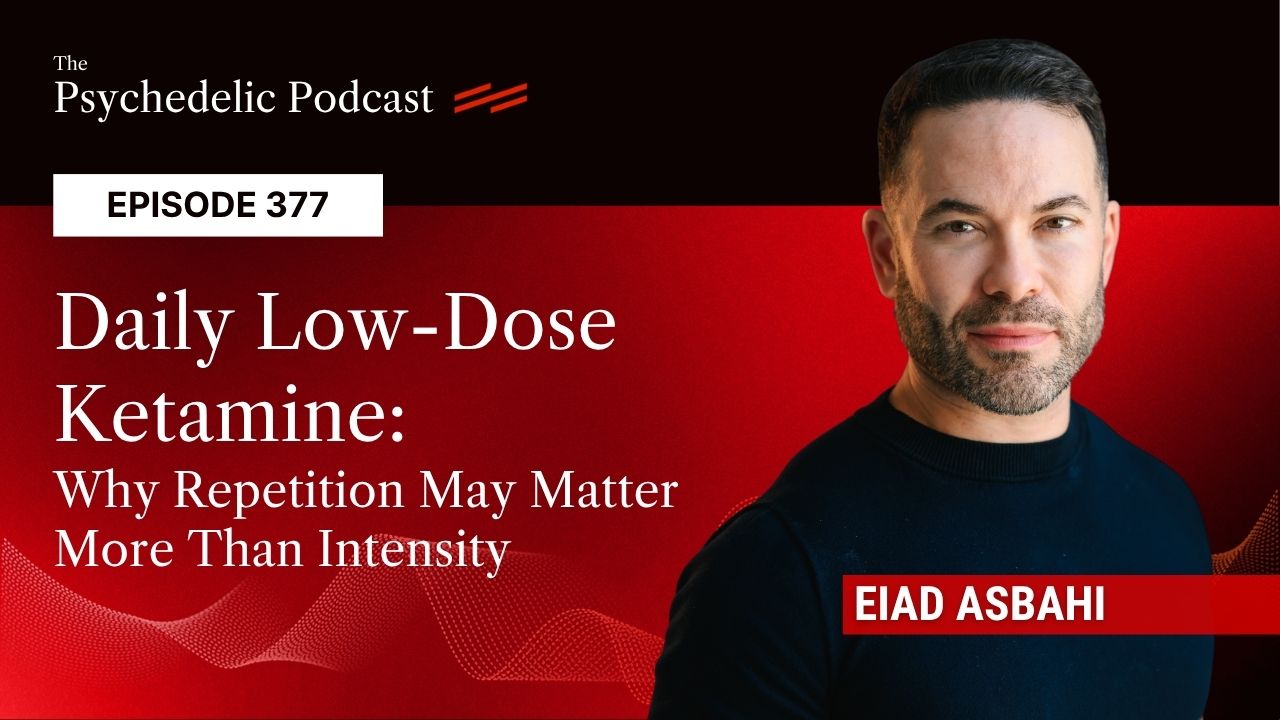
In a recent episode of The Psychedelic Podcast, Mindscape founder Eiad Asbahi joins host Paul F. Austin to discuss how years of inner work changed his relationship with himself, and how ketamine therapy helped him take that work further. He shares how ketamine creates space between his thoughts, allowing him to feel more present, recognize old patterns, and respond to himself with greater compassion. Through that repeated practice, he began developing greater self-trust and finding more joy in everyday life.
“With ketamine, the way that I take it is to connect with myself. I don’t want to be sent out on an external journey. I want to turn inward and be in here. I want to be doing self-care while I’m doing it. …When you do that over and over and over and over again, consistently, when you get that practice, you’re building a self-relationship. That is what self-love is.”
For Eiad, this practice of turning inward is central to lasting change. He and Paul explore how his personal experience shaped Mindscape’s daily low-dose approach, why he values consistency over peak experiences, and what it means to make ketamine part of everyday life. They also discuss the importance of personal agency, clinical oversight, and responsible access to care.
More From Eiad Asbahi:
Eiad Asbahi is a founder and father. He spent nearly two decades managing an investment fund before a divorce sent him inward, and the next five years rebuilding his relationship with himself. He founded Mindscape to make the kind of guided, medically supervised care that changed his life easier to find and navigate.
To watch a video about Eiad’s journey, visit our About page.



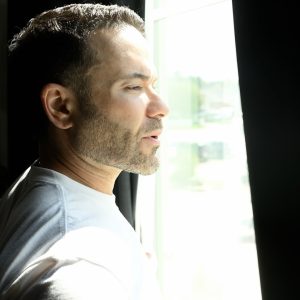 A counselor pointed me toward a kind of therapy called Internal Family Systems, and it asked a question nobody had asked me in twenty years. Who in you is reacting right now? What is he afraid of?
 So here is what I can actually say on a day like today. I really wasn’t defective. I was hurting. I had beliefs and patterns I couldn’t yet see, laid down before I had any say in them, and I organized forty years of my life around them. Some of the ways I dealt with the pain made more pain. None of it meant there was something fundamentally wrong with me.