
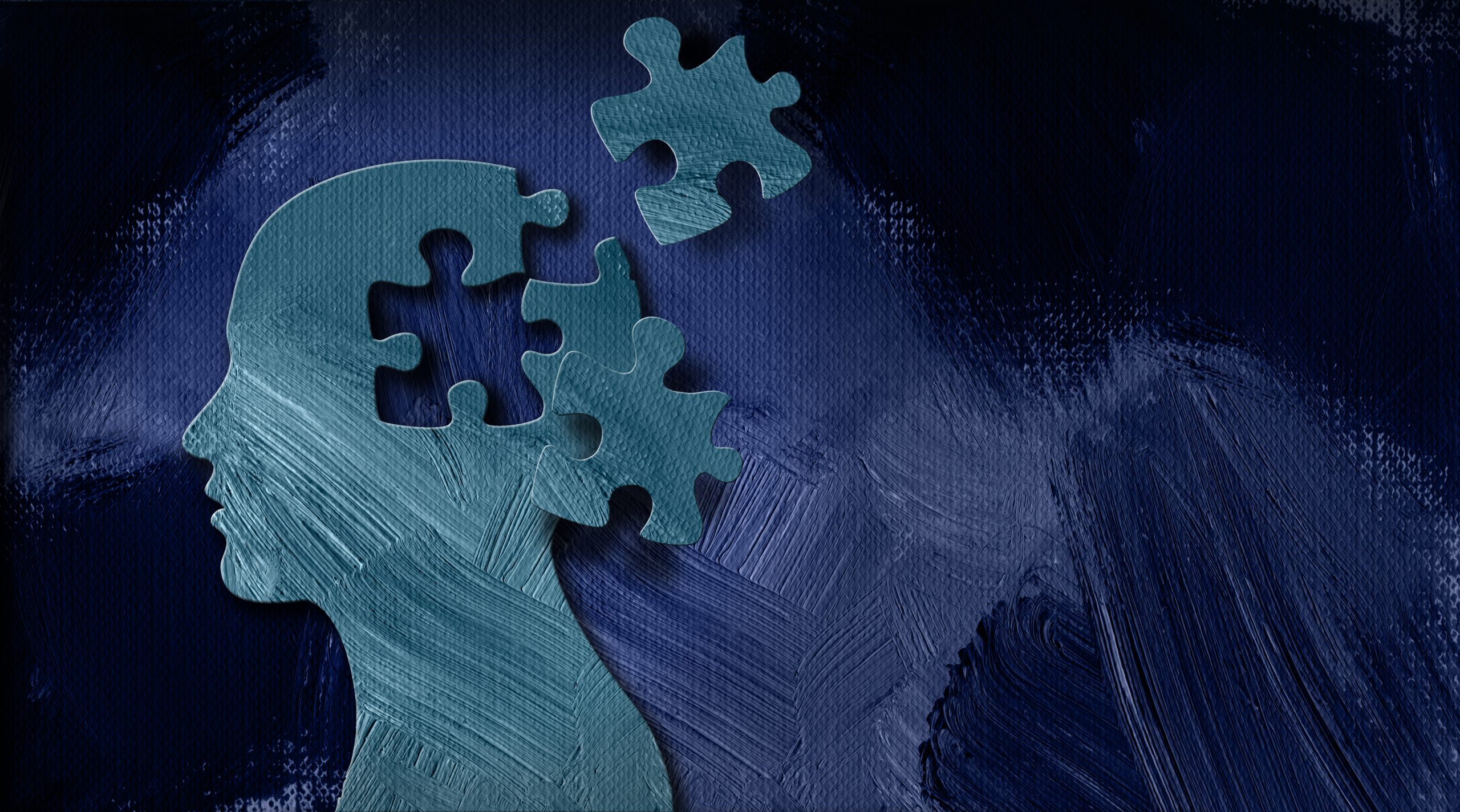
You’ve had good stretches. Times when the depression lifts, and life actually feels livable. That can make it even harder when it comes back.
If you’re reading this, you’ve probably already tried something. Maybe more than one treatment. And maybe some of them helped for a while, enough to make you think you were finally out of it. But somehow, that particular darkness always finds a way to creep back in, until ordinary life starts feeling like something you’re just surviving.
Maybe you’re wondering if this is just… how it is.
It isn’t. But there’s a reason the usual approaches don’t always work. Depression isn’t just emotional — it can change the brain in ways that make it harder to find and sustain relief. That’s what makes the emerging science around ketamine treatment for depression so exciting: it’s opening up a different way of understanding what may be happening in the brain, and with it, new possibilities for what may help.
Why Depression Keeps Coming Back
The signs can be easy to dismiss because they’re easy to explain away. Everyone’s tired. Everyone’s stressed. But when it stops feeling temporary and starts feeling like your baseline, that’s something worth paying attention to.
It can look like:
- Constant emotional exhaustion that sleep doesn’t seem to fix
- Doing the things you’re supposed to do, but feeling strangely absent doing them
- Negative thought loops running in the background all the time
- Persistant negative emotions like hopelessness or sadness
- Emotional numbness
- Feeling disconnected from other people
- Activities you used to enjoy no longer feel good or interesting
This isn’t about willpower or weakness. Over time, the systems involved in motivation, reward, and emotional regulation can start functioning differently under chronic stress and depression.
 The brain adapts to what it repeats. Even habitual thoughts can start running along the same well-worn neural pathways, making certain interpretations, reactions, and emotions easier for the brain to reach by default. And eventually, that can start to feel like programming: learned patterns and responses that keep firing automatically, even when you’re trying to do something different.
When the brain and nervous system start operating this way, it isn’t because something is broken. At some point, it adjusted to help you get through challenging circumstances, and it may still be running that same pattern long after the original conditions have changed. That’s not a character flaw. That’s adaptation.
What Treatment-Resistant Actually Means
If this pattern feels familiar, you’re not imagining it. Treatment-resistant depression is formally defined as depression that hasn’t responded adequately to at least two different antidepressant trials. In research settings, it affects around 30% of people who are taking antidepressants. In the real world, those estimates vary from 6% to 55% — a wide gap that reflects how underreported and underrecognized this experience is.
Standard antidepressants mainly work by modulating serotonin. For many people, that helps. For others, it addresses one part of a more complex picture. Because when depression has become deeply entrenched, the issue may not just be chemistry. It may also be the brain’s reduced ability to shift out of the patterns it’s been stuck in.
That’s where ketamine treatment for depression enters the picture, because it works through an entirely different mechanism than standard antidepressants.
Why Ketamine Treatment for Depression Works Differently
To understand why ketamine treatment for depression can feel different, it helps to understand how it affects the brain, and why it’s different from traditional antidepressants.
Why depression can become the brain’s default
Long-term depression and chronic stress alter the brain physically. The neural pathways that control mood, motivation, and emotional resilience can become more entrenched over time. The brain stops updating. It keeps running the same loops, because it’s lost some of its ability to change.
This changes the frame: Instead of “what medication haven’t I tried yet?” the question becomes “does the brain still have enough flexibility to update, and if not, what helps restore that?”
These patterns become part of the brain’s underlying architecture that shapes how you think, feel, and respond over time. This is why willpower doesn’t work, and why simply adjusting serotonin levels often isn’t enough.
What ketamine actually does in the brain
Ketamine works differently from standard antidepressants. Instead of primarily acting on serotonin, it blocks certain NMDA receptors, which changes how the brain processes glutamate, its main excitatory neurotransmitter.
In simple terms, that blockade can trigger a glutamate surge — a rapid burst of signaling that helps stimulate the formation of new synaptic connections and temporarily increases the brain’s ability to adapt.
An enhanced window of neuroplasticity
That surge of glutamate opens a temporary window of increased neuroplasticity, a period when the brain may become more capable of loosening entrenched patterns, forming new connections, and responding differently than it usually does.
When that window is supported, it may become easier to interrupt old programming, reinforce new responses, and start building patterns that are more flexible, more regulated, and more sustainable over time.
That’s what makes ketamine treatment for depression meaningfully different. It’s not only about temporarily easing symptoms. It may help create the conditions for real re-patterning, especially when that window is reinforced through consistency and real-life integration over time.
Research shows ketamine can shift the baseline
A randomized clinical trial found measurable structural changes in the brain after ketamine treatment. Researchers found reductions in diffusion tensor imaging markers in regions linked to mood regulation and emotional processing within just 24 hours, along with improvements in depression symptoms. The brain wasn’t simply feeling different. It was measurably changing.
Do you have to stop antidepressants before starting ketamine therapy?
For some people, ketamine is used alongside existing medication. For others, working with their provider over time may create conditions in which they need less. That isn’t a promise, and it isn’t the goal in every case. It’s simply one way increased neuroplasticity may show up in real life. Any medication changes should always be made with the prescribing provider.
This Is Not the End of the Road
 If you’ve been living with this for a long time, the idea that things could actually shift can feel almost too much to hope for. That’s depression doing what depression does. It narrows what feels possible.
But not responding to one approach doesn’t mean nothing will work. It often just means the approach hasn’t matched the mechanism. You are not someone who can’t respond to treatment. You are someone whose brain may need a different kind of input than what you’ve been offered. That’s a meaningful distinction, one the emerging science around ketamine treatment for depression is helping to clarify.
If traditional treatment hasn’t been enough, ketamine treatment for depression may be worth exploring. Learn more about Mindscape’s unique approach to ketamine therapy.
Frequently Asked Questions
Why does ketamine therapy work when antidepressants don’t?
Most antidepressants focus on serotonin, while ketamine works on a different system involving glutamate and the NMDA receptor. That can open a window of neuroplasticity, when the brain becomes more capable of shifting entrenched patterns and forming new connections.
Why can ketamine help when other treatments fail?
Long-term depression can reinforce patterns in the brain that make mood, motivation, and emotional flexibility harder to shift. Ketamine doesn’t just affect current chemistry; it may temporarily restore the brain’s capacity to change.
How do I know if ketamine therapy might help me?
If you’ve tried a couple of antidepressants or therapy without much progress, it may be worth looking into. A qualified clinician can help determine whether ketamine treatment for depression is a good fit based on your history and goals.
Take our 2-minute quiz to schedule your virtual consultation.
hi