

The conversation about ketamine therapy focuses on what it does: it’s faster than antidepressants, it may help people other treatments haven’t. What gets less attention is why, and what makes it different from options that haven’t worked before. The answer: it’s all about neuroplasticity.
So, what is neuroplasticity, exactly? It’s the brain’s ability to change and adapt. This post covers how ketamine affects the brain and nervous system by temporarily enhancing neuroplasticity. We also discuss why that process encourages positive change, and how the low-dose daily protocol supports those changes long-term.
If you’re comparing programs or trying to understand whether at-home ketamine therapy makes sense for you, our comprehensive guide to at-home ketamine therapy is a useful starting point alongside this.
How Ketamine Therapy Works In The Brain
Ketamine therapy works through the glutamate system, a network of brain chemicals involved in learning, memory, and mood. That already makes it different from almost every other treatment used for mental health.
Most antidepressants, like SSRIs and SNRIs, work by slowly raising serotonin and norepinephrine, brain chemicals that help regulate mood and energy, over the course of several weeks. Ketamine doesn’t touch that system. It takes a completely different route.
At small, carefully controlled doses, ketamine blocks a specific type of glutamate receptor. That blockade triggers a rapid chain reaction in the brain:At small, carefully controlled doses, ketamine acts as an NMDA receptor antagonist: it blocks a specific type of glutamate receptor. That blockade triggers a rapid chain reaction in the brain:
- A glutamate surge activates other brain cells, quickly ramping up activity in key brain regions including the prefrontal cortex and hippocampus, the areas involved in mood regulation, memory, and clear thinking.
- BDNF (brain-derived neurotrophic factor) is released. BDNF is a protein that supports healthy neurons, synaptic growth, and the formation of new neural connections.
- A burst of new building activity kicks off inside brain cells, growing new dendritic spines, the tiny structures neurons use to connect and communicate with each other.
- Synaptogenesis: new synaptic connections form, particularly in areas of the brain associated with mood, memory, and stress response.
This chain reaction happens quickly. Research has documented rapid neuroplastic changes following ketamine administration, often within hours rather than the weeks associated with traditional antidepressants. A 2024 systematic review published in PMC found that this rise in BDNF plays a central role in how ketamine, and the related medication esketamine, help the brain change.
What Is Neuroplasticity?
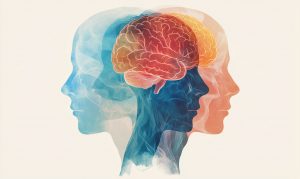 Neuroplasticity is the brain’s ability to change itself by forming new connections between neurons, strengthening some existing pathways, and letting others fade. It’s shaped by what you repeatedly do, think, and practice, which is how you learn a skill, build a habit, or recover after an injury. And it continues throughout life, not just in childhood.
Synaptogenesis, the formation of new synaptic connections mentioned above, is one of the concrete ways neuroplasticity shows up at the cellular level. Ketamine’s mechanism works by encouraging more synaptogenesis than the brain typically produces on its own.
What Is An Enhanced Neuroplastic Window?
The term “enhanced neuroplastic window” is a term we use to describe the period after a ketamine dose when the brain becomes more open to change. During this window, old patterns loosen their grip a little. New ones form more readily. This isn’t unique to ketamine. Exercise, sleep, and certain forms of therapy also support neuroplasticity. What makes ketamine different is its speed and specificity: it rapidly triggers this state, targeting circuits associated with mood dysregulation, rumination, and stress reactivity.
Early research, mostly in animals, suggests the window of neuroplasticity following a ketamine dose may continue for 24 to 72 hours after administration. What happens inside that window, specifically the inputs, experiences, and patterns the nervous system encounters, may shape how much of that change actually sticks.
How The Low-Dose Daily Protocol Uses This Window
The low-dose daily protocol is built around this. Rather than focusing on a limited series of high-dose sessions, the daily model creates repeated, modest windows of increased neural receptivity over time. The logic is cumulative rather than concentrated:
- Each session opens a modest neuroplastic window.
- Consistent daily dosing means the nervous system is in a more flexible state with greater regularity.
- Over weeks and months, the repeated exposure to a more regulated state gives new patterns more opportunities to take hold.
Ketamine microdosing, meaning doses too low to produce noticeable dissociative effects, sits inside this model. At the lower end of the range, you may not notice much during the session itself, but the neuroplasticity process is still active. The mechanism is present regardless of dose level, meaning the window can open even when the session itself feels ordinary.
Which Conditions Can Ketamine Therapy Address?
 This isn’t limited to one diagnosis. The conditions below have something in common: thought patterns, stress responses, and emotional reactions that have gotten stuck. They repeat themselves, reinforce themselves, and don’t respond well to standard treatment. For anxiety and PTSD in particular, this often shows up as an alarm system that’s stuck switched on, flagging danger even when none is present.
Conditions where ketamine’s neuroplastic mechanism has been studied include:
- Treatment-resistant depression: where standard antidepressant pathways haven’t produced adequate response. The glutamate route offers a different way in.
- Anxiety disorders: including generalized anxiety and social anxiety. The evidence base here is smaller than it is for depression, but a growing body of research suggests that an overactive alarm system may benefit from the kind of mental reset this mechanism supports.
- PTSD: in which the neuroplastic window may make those overactive alarm responses easier to shift. Research specific to PTSD is still ongoing, and ketamine isn’t yet an approved primary treatment for it, the same way it isn’t for depression either. But depression commonly co-occurs with PTSD, and ketamine’s much larger evidence base for treatment-resistant depression means it may help with that overlapping piece even while PTSD-specific research continues to develop.
- OCD and related conditions: where rigid thought patterns and compulsive loops may benefit from periods of increased neuroplasticity, though research specific to OCD is still limited compared to what exists for depression and anxiety.
These are active research areas, not clinical certainties. The common thread in these conditions is response patterns that have calcified into place and stopped responding to change. Ketamine’s mechanism works right at that level.
Low-Dose Daily vs Intensive Short-Course: Why the Model Matters
 The model isn’t just a delivery preference. It changes how the neuroplastic mechanism is utilized during treatment. Intensive short-course or bolus models concentrate larger doses into a few sessions, typically IV infusions or high-dose sublingual over a defined time period. The neuroplastic window that occurs during a session is more pronounced, and the model relies on those concentrated sessions to produce change.
The low-dose daily model works differently. The dose level is lower, the window per session is more modest, and the mechanism is repetition rather than intensity. This isn’t a gentler version of the intensive model. It’s a different design: treatment that integrates into daily life.
For a detailed comparison of how these approaches differ in practice, this low-dose vs high-dose breakdown covers the clinical and practical distinctions.
Want to understand how at-home programs compare on dosing model, clinical oversight, and what’s included? Our comprehensive guide to at-home ketamine therapy in 2026 covers the major providers side by side and is built to support exactly this kind of research.
Curious whether the daily low-dose model fits what you’re looking for? Take our 2-minute Clarity Quiz to get started.
Frequently Asked Questions
What Is Neuroplasticity?
Neuroplasticity is the brain’s ability to reorganize itself by forming new neural connections throughout life. It’s the same basic process behind learning a new skill or recovering from an injury, and it’s the mechanism ketamine therapy is designed to support.
What Neuroplastic Changes Do Sublingual Ketamine Programs Support at Home?
At-home sublingual ketamine programs using a low-dose daily protocol support neuroplasticity through the same brain pathways described above: blocking that glutamate receptor, releasing BDNF, and building new dendritic spines. Taking ketamine as a sublingual (under-the-tongue) tablet means less of it enters your bloodstream at once compared to an IV drip. That’s exactly why, in this model, showing up consistently every day matters more than how intense any single dose feels. Our guide to the daily session experience explains how that looks in practice.
How Does Ketamine Work for PTSD?
PTSD involves an alarm system that’s learned to stay switched on, even once the danger has passed. Standard treatments don’t always reach that. The neuroplastic window that ketamine opens may make those alarm responses easier to notice and easier to shift, though this remains an active research area rather than settled clinical guidance.
Is the Neuroplastic Effect the Same Across Dose Levels?
The chain reaction in the brain is active across dose levels, including ketamine microdosing at doses too low to produce noticeable dissociative effects. Dose level changes how strong the experience feels in the moment, not whether the underlying process is happening.
How Is This Different From How Antidepressants Work?
Antidepressants target the monoamine system (brain chemicals like serotonin) gradually. Ketamine targets the glutamate system instead, which sets off a fast chain reaction that supports neuroplasticity. The two pathways are distinct. For people whose depression hasn’t responded to traditional antidepressants, this isn’t a stronger version of what they’ve tried. It’s a different mechanism entirely.
hi