
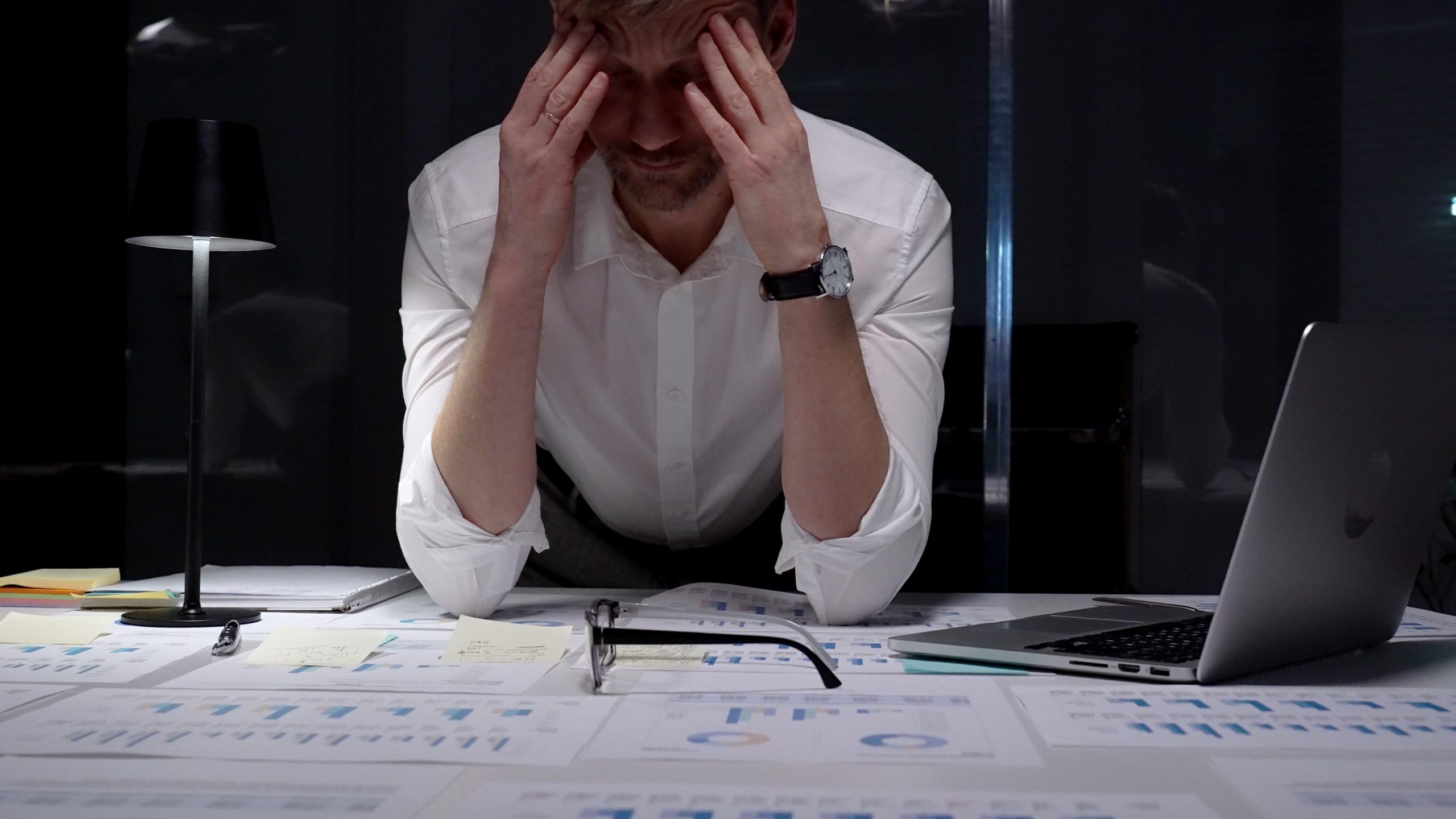
If you’re researching therapy for burnout, you probably already know that what you’re dealing with isn’t simply fatigue or a lack of motivation. Burnout is a capacity problem, not a willpower problem. And until that distinction is understood, the typical responses—pushing harder, making better plans, adding a gratitude practice—tend to make things worse rather than better.
Unfortunately, when you’re dealing with burnout, extra rest often doesn’t make much difference. You may get a full eight hours of sleep and wake up without feeling refreshed, or like you really got any sleep at all.
So you keep fighting to make it through your days, struggling to make sense of the words on the screen in front of you, feeling like you just get more and more behind. Little is left for patience when it’s time to put the kids to bed or reaching out to that friend you’ve been meaning to call back. And you honestly can’t remember the last time you really enjoyed yourself.
Why Burnout Gets Misinterpreted
Many people who are coping with burnout feel angry with themselves. When they don’t keep up with things like they think they should, they tell themselves they’re lazy or unproductive. It’s easy to start thinking that if you’re not at the top of your game, then you’re failing at life.
What’s really happening is your nervous system doing what it was designed to do: helping you survive. When it senses ongoing stress, it shifts into a protective mode. Your brain becomes more focused on detecting potential threats and reacting quickly, leaving less capacity for the kinds of thinking that help you plan, prioritize, make decisions, stay present, and recover from stress.
Over time, if that protective state becomes your default, it can feel like you’re constantly running on low mental bandwidth. Everyday tasks require more effort. Decisions become harder. You forget things more easily. It’s not because you’ve lost those abilities. Your nervous system has simply been prioritizing survival over everything else.
Burnout Signs: Your Capacity Is Running Low
 When your nervous system has been under too much stress for too long, declining capacity often shows up in ways that are easy to dismiss until they begin affecting everyday life.
- Brain fog and reduced mental clarity. Simple tasks take longer, you lose your train of thought more easily, and concentrating becomes harder. Research has linked burnout to reduced activity in the prefrontal cortex, the part of the brain involved in reasoning, memory, and decision-making.
- Decision paralysis. Even small decisions can feel exhausting, while bigger ones become easier to avoid or put off.
- Reduced emotional resilience. Minor setbacks feel bigger than they used to, and it takes longer to recover from everyday stress.
- Rest that doesn’t restore. You sleep, take time off, or slow down, but still wake up feeling depleted because your nervous system isn’t fully shifting into recovery. Studies show that burnout can impact normal rest-recovery function.
Self-care for burnout
If you’re experiencing these signs, you may benefit from these five grounding practices. Burnout self-care can help stabilize things in the short term while you learn more about what’s driving the depletion.
Survival Mode Collapse: When the System Can’t Compensate
 For a long time, the nervous system can manage. It finds workarounds. You run on adrenaline. You white-knuckle through. You become very good at appearing functional while running at a significant deficit.
Then there’s a point, which researchers sometimes call survival mode collapse, where the compensatory mechanisms stop working. It doesn’t always arrive as a dramatic breakdown. Sometimes it looks like a flatness that won’t lift. A growing inability to care about things that matter to you. A sense of watching your own life from behind glass.
This is what functional freeze often looks like in a burnout context. It rarely looks like a crash. It looks like a steady loss of ability to engage with life.
Why People Don’t Seek Therapy for Burnout
Here’s the part that makes burnout so difficult to recognize from the inside. The people most vulnerable to it, those with high standards, strong work ethics, and a tendency toward self-criticism, tend to respond to declining capacity by turning up the inner critic.
The internal logic goes something like: if I’m doing less, I need to try harder. If the quality is slipping, I need to be more disciplined. If I’m exhausted, I should stop being so weak about it.
Old programming plays a direct role here. Patterns learned early in life, that worth is conditional, that rest is earned not given, that needing support is a failure, keep running in the background. The inner critic interprets depletion as a character flaw rather than a physiological state. And so the response to burnout becomes more of exactly what caused it.
This is also why burnout can look so much like depression that won’t shift. The two can coexist, and it’s underlying nervous system dysregulation that drives both.
Therapy for Burnout: What Actually Helps
 The standard advice—rest, exercise, set better limits, reduce your workload—isn’t wrong. It’s just insufficient when the underlying patterns driving the burnout are still running.
Approaches that address underlying patterns tend to be more effective:
- Somatic therapies like Somatic Experiencing or trauma-informed bodywork, where the work starts with what’s happening in your body right now instead of analyzing how you got here
- Nervous system-focused approaches such as breathwork, EMDR, or medically supervised options like ketamine therapy, which work with the nervous system directly instead of relying only on conversation to get there
- Pattern-level work that examines the internal operating conditions, the perfectionism, the vigilance, the self-criticism, that keep people living in a stressed state regardless of what changes externally
If any of this sounds familiar, the problem probably isn’t effort. You’ve been doing that part. The problem is that the system underneath all that effort has been running in survival mode for too long, and survival mode doesn’t respond to pushing harder. You deserve to focus on finding the best option for your individual needs, one that helps alleviate chronic stress, recalibrate your nervous system, and rebuild your sense of calm and resilience.
Mindscape’s unique approach to ketamine therapy supports daily, low-dose sessions that allow you to return repeatedly to a more regulated internal state. With time, those experiences help reset your baseline, gradually building towards meaningful, lasting change.
Take the 2-minute Clarity Quiz to see if it’s right for you.
hi